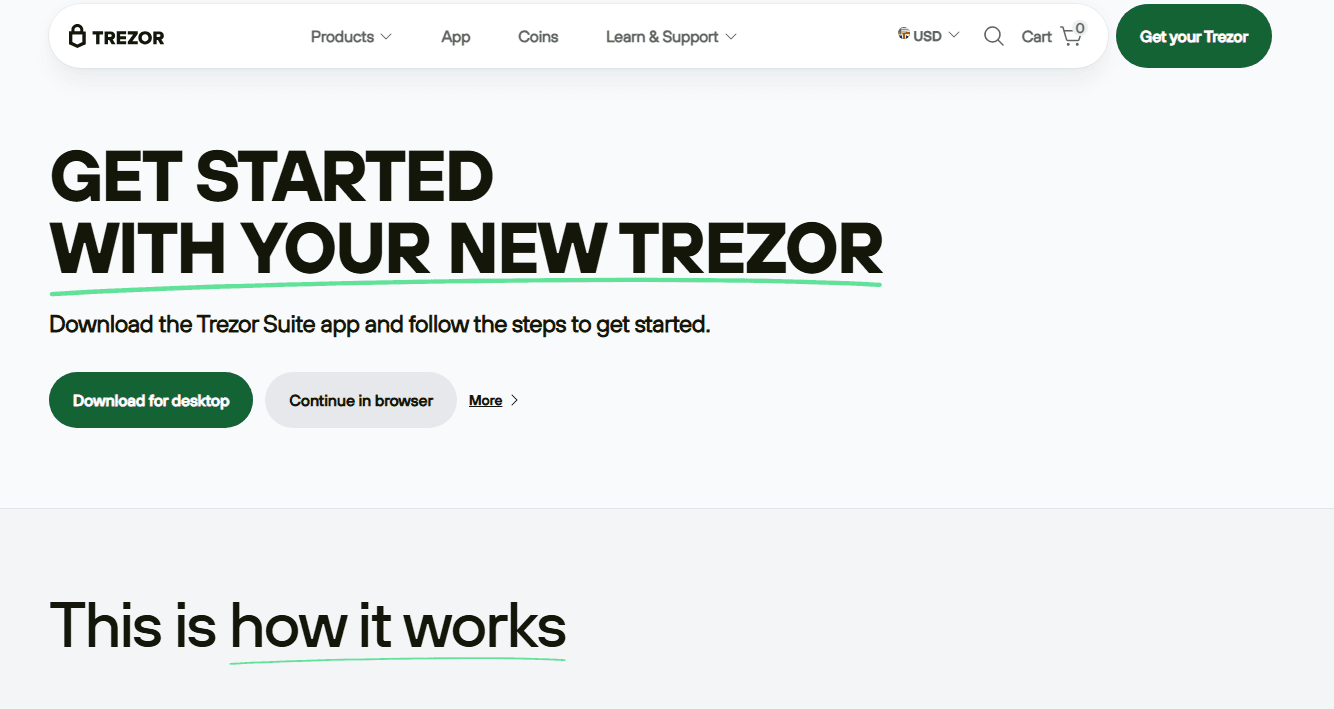
Trezor.io/Start: The Complete Guide to Secure Your Cryptocurrency
In today’s digital world, cryptocurrency offers freedom, privacy, and financial independence. However, digital assets are only as secure as the storage methods protecting them. This is where Trezor, one of the most trusted hardware wallets, comes in. The official Trezor start guide, available at Trezor.io/start, provides users with step-by-step instructions to safely set up, manage, and secure their cryptocurrency holdings. Whether you’re a beginner or an advanced user, this guide ensures that your crypto journey begins securely and efficiently.
1. What is Trezor Wallet?
Trezor is a hardware wallet developed by SatoshiLabs that stores cryptocurrency private keys offline. Unlike online wallets, Trezor’s offline storage protects your assets from hackers, malware, and phishing attacks. By keeping your keys secure on a physical device, Trezor ensures that you are the only person with access to your funds.
Key Features:
Offline storage of private keys
Supports over 1,000 cryptocurrencies
Open-source firmware for transparency
Regular firmware updates to prevent security threats
Integration with multiple crypto platforms
The official Trezor start page is the best place to begin your journey, ensuring you follow verified instructions to keep your funds safe.
2. Why Use a Hardware Wallet?
Using a hardware wallet is the most secure way to store cryptocurrencies. Unlike mobile or web wallets, hardware wallets:
Keep private keys offline
Require physical confirmation for transactions
Protect against phishing and malware attacks
With Trezor, you gain complete control of your assets without relying on third-party platforms.
3. Unboxing Your Trezor Device
When you receive your Trezor wallet, it comes in tamper-evident packaging. Always check for signs of tampering before proceeding.
Inside the box, you will find:
Trezor device (Model One or Model T)
USB cable for connection
Recovery seed cards
Instruction manual and stickers
The Trezor.io/start guide recommends verifying the authenticity of your device before connecting it to your computer to avoid compromised hardware.
4. Initial Setup Steps
Setting up your Trezor is straightforward, but careful attention ensures maximum security.
Step 1: Connect to Your Computer
Use the USB cable to connect your Trezor to a PC or laptop. Open your browser and navigate to Trezor.io/start.
Step 2: Install Trezor Bridge or Suite
Trezor Bridge: Software that enables your device to communicate with your browser.
Trezor Suite: A comprehensive desktop and web app to manage your portfolio, send and receive crypto, and access advanced features.
Step 3: Set a PIN
Create a secure PIN code to prevent unauthorized access. Avoid simple combinations and store it securely.
Step 4: Generate Recovery Seed
Your recovery seed, typically 12–24 words, is crucial. Write it down on the provided cards and never store it digitally. This seed allows wallet recovery if your device is lost or damaged.
5. Understanding Recovery and Security
Your recovery seed is the key to your crypto. Losing it could mean losing access to your funds permanently. Trezor.io/start emphasizes:
Never sharing your recovery seed online
Using strong, unique PINs
Enabling passphrase protection for extra security
Verifying transaction addresses on the device screen
By following these security measures, you can protect your assets against unauthorized access.
6. Using Trezor Suite
Trezor Suite is the central platform for managing your cryptocurrencies efficiently.
Key Features:
Portfolio Overview: Monitor all your assets in one place
Send & Receive Crypto: Transactions are verified on the device for security
Exchange Integration: Buy, sell, or swap crypto seamlessly
Advanced Security: Optional passphrase and hidden wallets
Trezor Suite simplifies cryptocurrency management while keeping security at the forefront.
7. Advanced Security Options
For users seeking extra protection, Trezor offers advanced security features:
Passphrase Protection: Adds a 25th word to your recovery seed, creating hidden wallets
Multi-Signature Support: Requires multiple approvals for transactions
Firmware Updates: Regular updates maintain robust security
These options allow users to tailor security based on their needs and crypto holdings.
8. Recovering Your Wallet
If your Trezor device is lost, stolen, or damaged, your cryptocurrency is not lost as long as your recovery seed is secure.
Recovery Steps:
Get a new Trezor device
Select “Recover Wallet” during setup
Enter your recovery seed
Set a new PIN and passphrase (if applicable)
This ensures full access to your funds even in emergencies.
9. Beginner vs. Advanced Use
Trezor.io/start caters to all users:
Beginners: Step-by-step instructions make setup easy
Advanced Users: Access multi-signature wallets, third-party app integrations, and detailed security options
This flexibility makes Trezor a lifelong solution for securing cryptocurrency assets.
10. Best Practices for Maximum Security
Regularly review connected applications and revoke suspicious access
Avoid unofficial software claiming to improve Trezor security
Consider cold storage for large holdings
Use passphrase-protected wallets for sensitive funds
Following these best practices ensures optimal protection for your crypto assets.
11. Community and Customer Support
Trezor offers comprehensive support and resources:
Knowledge Base: Tutorials, FAQs, and troubleshooting guides
Community Forum: Engage with other users for tips and advice
Direct Support: Reach out to Trezor for hardware or software issues
Starting your journey at Trezor.io/start ensures access to verified resources and official guidance.
12. Conclusion
The Trezor.io/start guide is the ultimate starting point for anyone looking to secure cryptocurrency. From unboxing to setup, recovery, and advanced security, it empowers users to protect and manage their assets confidently. Trezor combines user-friendly design with military-grade security, making it ideal for beginners and crypto veterans alike.
By following this official guide, you can confidently send, receive, and store cryptocurrencies while maintaining peace of mind in the evolving digital financial world.